🤝 Prioritization and Impact Management
A Perspective on Maximizing Value
Section titled “A Perspective on Maximizing Value”For a Programmer, time is the most constrained resource. Effective leadership isn’t about working more hours; it’s about ensuring that every hour spent by you and your team moves the needle on the most critical business and technical objectives.
1. The Mindset: Impact Over Activity
Section titled “1. The Mindset: Impact Over Activity”A Programmer distinguishes between “being busy” and “being impactful”.
- The 80/20 Rule (Pareto Principle): Identify the 20% of technical tasks that will solve 80% of the team’s friction or provide 80% of the user value.
- Outcome-Driven Focus: Before starting any project, ask: “If this succeeds, what specific business metric or developer experience metric will change?”.
- The Cost of Delay: Consider not just the effort to build a feature, but the cost to the business of not having it for another month.
2. Frameworks for Strategic Prioritization
Section titled “2. Frameworks for Strategic Prioritization”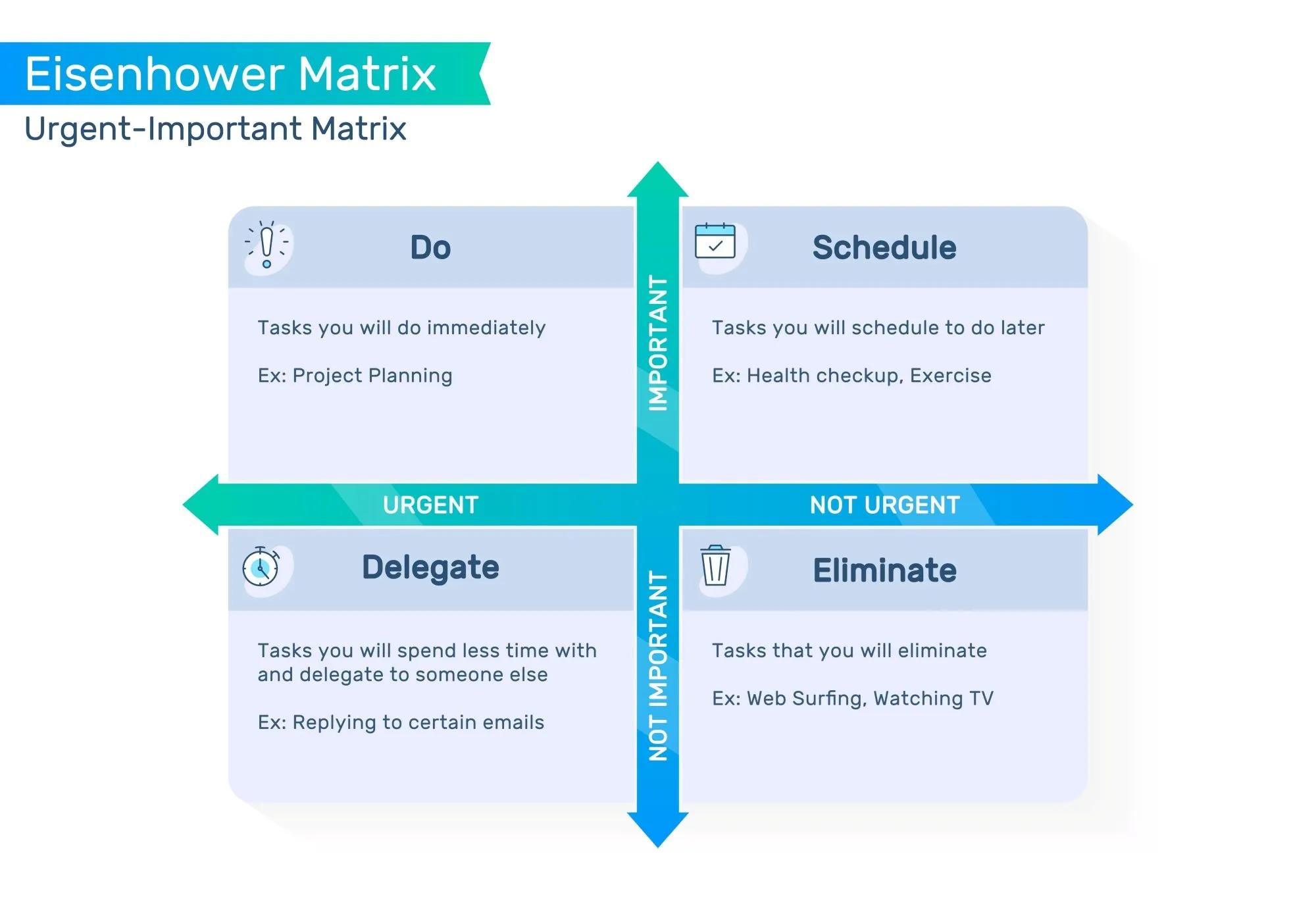
A. The Eisenhower Matrix (Software Context)
Section titled “A. The Eisenhower Matrix (Software Context)”- Urgent & Important: Production outages, security vulnerabilities, or hard regulatory deadlines.
- Important, Not Urgent: Architectural refactoring, documentation, mentoring, and technical debt repayment. This is where Seniors provide the most value.
- Urgent, Not Important: Frequent status meetings or minor cosmetic requests that don’t impact the user journey.
- Neither: “Gold plating” features or micro-optimizing code that isn’t in a performance-critical path.
B. RICE Scoring for Technical Tasks
Section titled “B. RICE Scoring for Technical Tasks”Evaluate potential projects using four metrics:
- Reach: How many users or developers will this affect?
- Impact: How much will it improve their experience?
- Confidence: How sure are we about our estimates and the solution?
- Effort: How many “person-weeks” will it take?
3. Balancing Feature Delivery and Technical Health
Section titled “3. Balancing Feature Delivery and Technical Health”The “Senior’s Balance” is the ability to advocate for technical sustainability alongside product demands.
- The “One for Them, One for Us” Strategy: For every major product feature, carve out space for a technical improvement that facilitates that feature.
- Using Error Budgets: If the system’s reliability (SLO) is high, prioritize feature velocity. If the budget is depleted, prioritize stability and debt repayment.
- Impact-Mapping Technical Debt: Prioritize fixing debt that exists in the most frequently changed parts of the codebase.
4. Managing Stakeholder Expectations
Section titled “4. Managing Stakeholder Expectations”High-impact leadership requires the ability to communicate why certain things aren’t being done.
- Radical Transparency: Use a visible backlog or “Tech Debt Radar” so stakeholders see the trade-offs being made.
- The “Power of No”: Rejecting low-impact work to protect the team’s focus on high-impact objectives.
- Evidence-Based Decisions: Use data (latency metrics, error rates, or cycle time) to justify prioritizing technical work to non-technical partners.
5. Programmer Checklist for Impact Management
Section titled “5. Programmer Checklist for Impact Management”- Value Alignment: Does this task align with this quarter’s top 3 business goals?
- Leverage: Does this work empower other developers to move faster (e.g., better tooling or docs)?
- Opportunity Cost: What are we not doing by choosing to work on this?
- Sustainability: Are we solving the root cause, or just patching a symptom that will return next month?
“The hallmark of a Programmer is the courage to stop working on a ‘good’ idea to make room for a ‘great’ one.”