🏆 The Art of Avoiding Over-Engineering
A Senior Software Engineer’s Perspective on Prudence and Simplicity
Section titled “A Senior Software Engineer’s Perspective on Prudence and Simplicity”A junior engineer wants to prove they can solve a problem; a Senior Engineer wants to ensure the problem stays solved with the least amount of code possible. “Invisible Seniority” is the quiet discipline of choosing “boring” technology and simple patterns over the “shiny” and complex, even when you are capable of the latter.
1. The Mindset: Complexity is a Tax
Section titled “1. The Mindset: Complexity is a Tax”Every line of code is a liability that must be read, tested, and maintained.
- The “Clever” Debt: Clever code is a signal that the developer prioritized their own ego over the team’s ability to maintain the system.
- Predictability over Novelty: A senior architect values systems that behave predictably under stress rather than those that use the most “modern” or “novel” patterns.
- The Maintenance Tail: Over-engineered systems have a long “tail” of operational costs that can eventually bankrupt a team’s velocity.
2. Recognizing the “Over-Engineering” Red Flags
Section titled “2. Recognizing the “Over-Engineering” Red Flags”Before starting a project, look for these signals that the design is drifting into unnecessary complexity:
A. The “Just-in-Case” Abstraction
Section titled “A. The “Just-in-Case” Abstraction”Creating generic interfaces or “plugin architectures” for features that do not exist yet.
Senior Rule: You Ain’t Gonna Need It (YAGNI). Build for the requirements you have today, but keep the code clean enough to refactor tomorrow.
B. Micro-Optimization in Cold Paths
Section titled “B. Micro-Optimization in Cold Paths”Spending days optimizing an algorithm that runs once a week or handles negligible traffic.
Senior Rule: Profile first. Only optimize the “Hot Paths” that actually impact user experience or infrastructure costs.
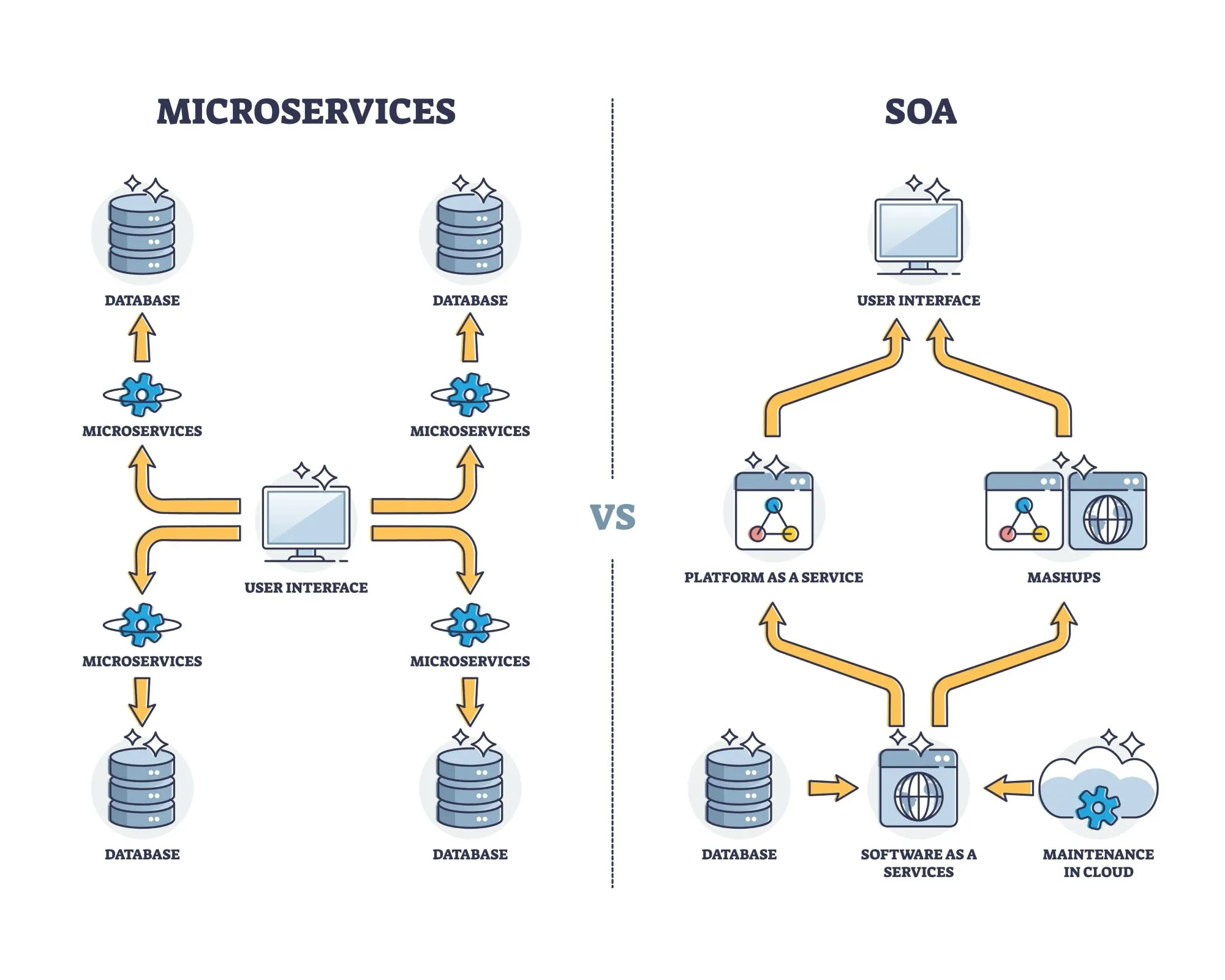
C. The Distributed Monolith
Section titled “C. The Distributed Monolith”Splitting a simple application into twelve microservices when a single well-structured monolith would suffice.
Senior Rule: Start with a monolith. Only distribute when you have a clear scaling or organizational bottleneck that requires it.
3. Techniques for Staying “Invisible”
Section titled “3. Techniques for Staying “Invisible””How to keep the system simple without sacrificing quality:
- Architectural Reductionism: Frequently ask: “What can we remove and still meet our SLOs?”.
- Choose “Boring” Technology: Use databases and frameworks with large communities, extensive documentation, and known failure modes.
- Documentation over Code: If a problem can be solved by a 5-word comment or a process change instead of a 500-line utility class, choose the words.
4. The Role of Peer Reviews
Section titled “4. The Role of Peer Reviews”Use the RFC and Code Review process as a “Complexity Filter”.
- Question the “Why”: During an RFC review, if a proposed architecture feels too complex, ask the author to explain the trade-offs of a simpler version.
- The Onboarding Test: If a mid-level engineer cannot understand the core logic of a PR in 15 minutes, it is likely over-engineered.
- Praise Simplicity: Publicly celebrate PRs that solve hard problems with very little code. Make “Simplicity” a high-status trait in the team culture.
5. Senior Checklist for Avoiding Over-Engineering
Section titled “5. Senior Checklist for Avoiding Over-Engineering”- Constraint Check: Does this solution solve a real business constraint, or is it solving a hypothetical one?
- Dependency Audit: Did we add a 50MB library to solve a 5-line problem?
- Cognitive Load: Can I explain this architecture on a napkin in under two minutes?
- Exit Strategy: If we need to replace this “clever” component in six months, how much of the system will break?
“The most senior thing you can do is talk your team out of building something that doesn’t need to exist.”